Restaurant Brands International on Thursday reported mixed fiscal third-quarter financial results, revealing a corporate landscape where Burger King’s ongoing domestic resurgence successfully offset ongoing challenges and sales declines at fried chicken chain Popeyes.
The parent company, which manages a massive global portfolio of fast-food brands, announced net income attributable to common shareholders of $542 million, or $1.54 per share, for the period. This marked a notable increase compared to the $315 million, or 96 cents per share, that the company reported during the same period a year earlier. Excluding certain non-cash items, Restaurant Brands earned $1.10 per share for the quarter. Meanwhile, net revenue climbed 3.1% to reach $2.53 billion. Across all of its branded restaurants worldwide, the company posted a consolidated same-store sales growth rate of 3.8%.
However, the headline numbers masked a stark divergence in performance across the company’s individual brands, illustrating the varying fortunes of major fast-food chains operating within an increasingly competitive North American restaurant market. While Burger King continues to reap the rewards of a heavy, multiyear investment in its home market, Popeyes continues to struggle against aggressive discounting and promotional strategies from formidable chicken rivals.
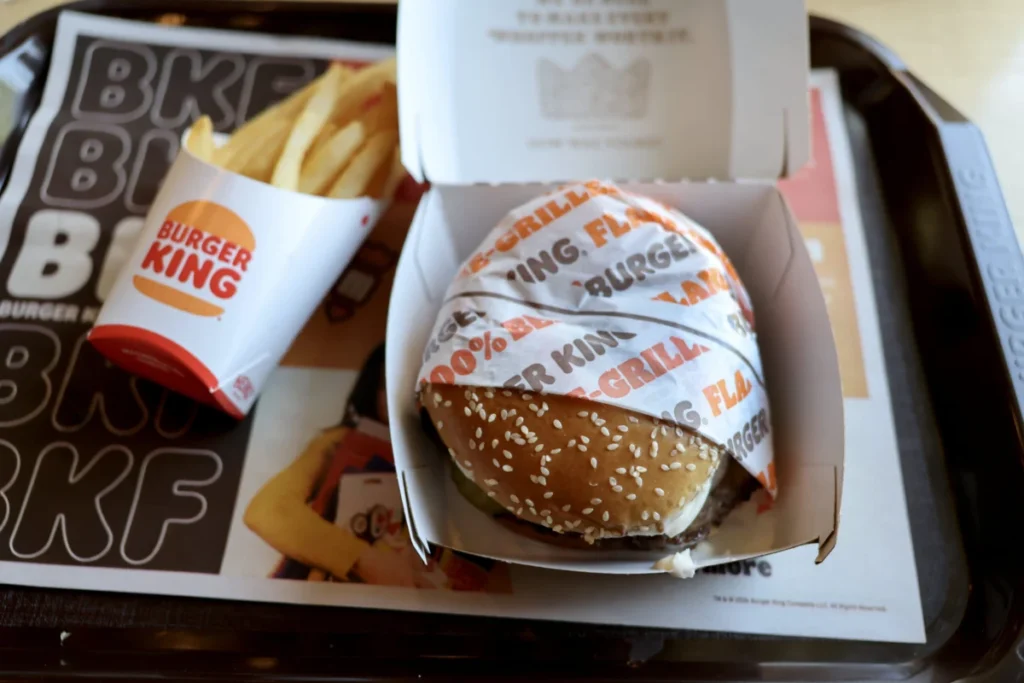
Burger King emerged as the standout performer for Restaurant Brands during the quarter, posting a remarkable U.S. same-store sales growth rate of 8.4%. The iconic burger chain’s domestic business is currently in the middle of a comprehensive, multiyear turnaround initiative. This strategic recovery plan has focused heavily on upgrading the quality of its food, modernizing its restaurant footprint, improving operational execution at the store level, and refining marketing efforts to recapture lapsed consumers. The double-digit-adjacent growth in its home market suggests that these foundational changes are finally resonating with American diners who have increasingly scrutinized their spending choices amid broader economic shifts.
In contrast, Tim Hortons, the company’s dominant coffee and baked goods chain, reported modest same-store sales growth of 1.8% in Canada, its primary home market. While positive, the steady, low-single-digit growth underscores a more mature and stable performance environment for the brand north of the border, where it maintains an entrenched cultural footprint but faces limited room for explosive domestic expansion.
Popeyes, meanwhile, proved once again to be the laggard within Restaurant Brands’ broader portfolio. The popular fried chicken chain experienced a 2.2% drop in U.S. same-store sales during the quarter. In recent quarters, Popeyes has faced severe headwinds as other major chicken competitors have successfully lured its loyal customer base away through aggressive value menus, targeted discounts, and new product rollouts. In response to these pressures, Restaurant Brands management is attempting to engineer a comeback for the brand centered on tightening restaurant operations, enhancing service speed, and refocusing marketing and promotional energy on its core, signature menu items rather than chasing fleeting culinary fads.
Beyond its domestic strongholds, the company’s international business delivered steady results, posting same-store sales growth of 3.9%. This global expansion was primarily fueled by strong performance across international Burger King locations, demonstrating that the brand’s appeal extends well beyond North America as the company continues to scale its footprint in key overseas markets.
The mixed bag of results highlights the complex operational dynamics facing major quick-service restaurant holding companies. As consumers navigate changing economic conditions and heightened competition for their dining dollars, execution at the individual brand level has become the ultimate determinant of quarterly success. For Restaurant Brands International, the triumph of Burger King’s ongoing domestic overhaul has provided a powerful cushion, softening the blow of headwinds currently buffeting its chicken segment and setting the stage for strategic adjustments in the quarters ahead.