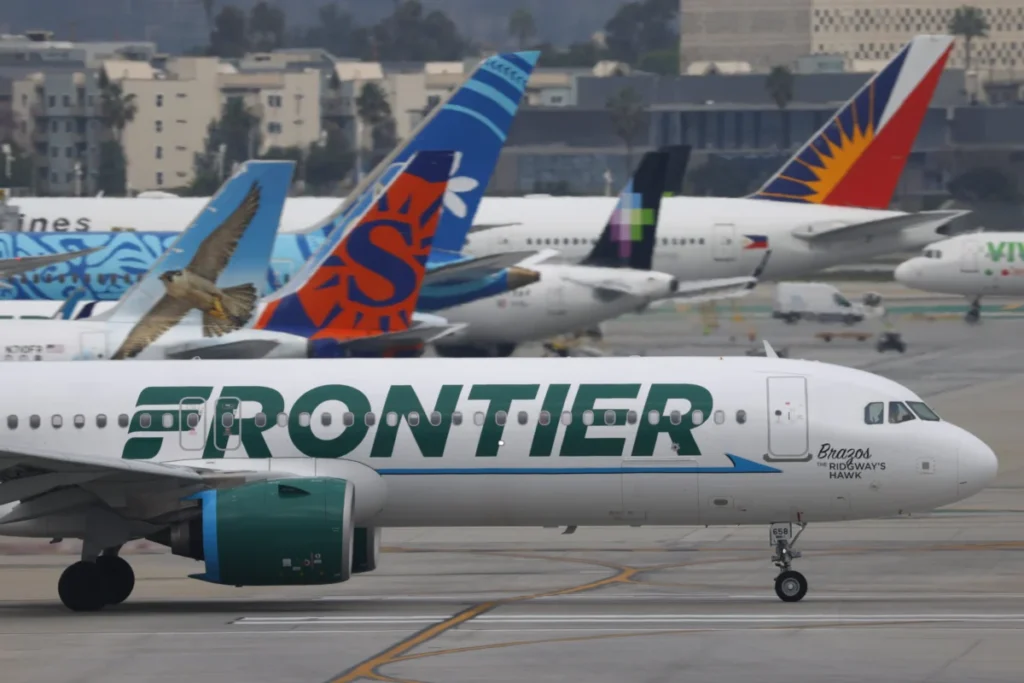
Frontier Airlines reported a dramatic 71% increase in airfares during the third quarter as the nation’s largest budget carrier attempted to pass along an even steeper surge in jet fuel prices to consumers. Despite the steep price hikes, the airline continued to see robust travel demand, welcoming millions of new passengers onto its aircraft, even though the skyrocketing cost of fuel ultimately pulled the company deeper into financial losses for the period.
According to financial figures released by the carrier, Frontier’s fare revenue averaged $67.82 per passenger in the third quarter, representing a sharp upward climb from the $39.74 recorded during the same period a year earlier. When factoring in the budget airline’s extensive array of ancillary fees—including charges for checked baggage, carry-on luggage, and seat selection—total revenue per passenger rose by 30% year-over-year to reach $138.22.
The significant jump in ticket prices failed to deter travelers, defying traditional economic expectations that higher costs would immediately suppress consumer demand. Frontier reported that its total passenger count rose by 18% during the quarter, welcoming more than 9.8 million people on board its flights. This represented a substantial difference of 1.5 million additional passengers compared to the previous year, highlighting a resilient and persistent appetite for travel among budget-conscious consumers.
Company executives noted that consumer demand remained exceptionally strong, even at these elevated price points. However, despite the surge in passenger volume and higher yields per ticket, Frontier was still unable to turn a profit during the quarter. The airline widened its third-quarter net loss to $104 million, worsening from a net loss of $77 million recorded during the same timeframe a year earlier.
The primary culprit behind the widened losses was the extraordinary escalation in energy expenses. Frontier’s quarterly fuel bill soared by an alarming 82%, reaching $425 million as global energy markets put intense pressure on airline operating margins. Jet fuel represents one of the single largest expense categories for commercial aviation companies, second only to labor costs, making carriers uniquely vulnerable to sudden and sustained commodity price spikes.
Looking ahead, the airline offered a cautiously optimistic outlook for the final stretch of the year. Frontier forecast a potential adjusted profit in the fourth quarter, telling investors and analysts that it expects to post a financial result ranging from an adjusted loss of 15 cents per share to adjusted earnings of as much as 5 cents per share.
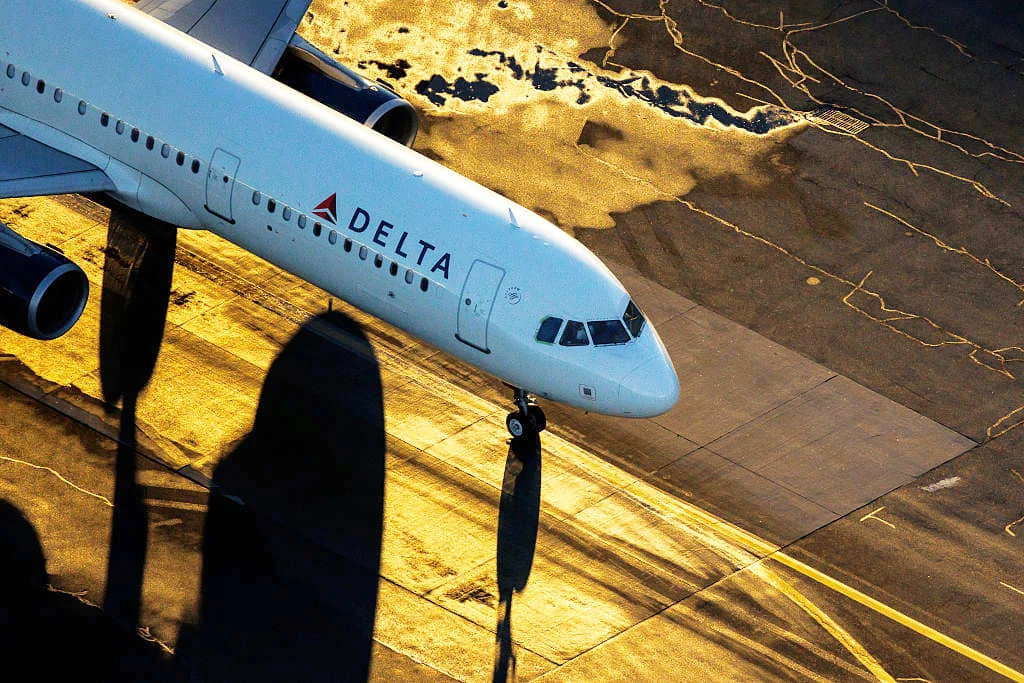
The struggle to balance rising operating costs with consumer pricing sensitivity is not unique to Frontier. Throughout the commercial aviation sector, carriers ranging from legacy network giants like Delta Air Lines to various low-cost operators have reported a similar dynamic. Industry executives have consistently noted that customers are mostly continuing to book flights despite noticeably higher fares, but that record jet fuel prices are severely eroding airline profit margins across the board.
Wall Street appeared to react favorably to the airline’s resilience in passenger volume and its forward-looking guidance. Frontier shares climbed more than 9% during afternoon trading on Wednesday, reflecting investor confidence in the carrier’s ability to maintain high load factors and push through fare increases in a challenging macroeconomic environment.
The financial results underscore Frontier’s prominent and evolving role in the domestic aviation market. The company had already eclipsed Spirit Airlines to become the largest discount carrier in the United States even before that rival airline collapsed entirely in May. As the ultra-low-cost carrier segment consolidates and adapts to ongoing economic headwinds, Frontier’s ability to manage its fuel exposure while retaining its massive customer base will remain a critical factor in its long-term financial recovery.