
Retail companies across the consumer landscape are actively trimming their product assortments in an aggressive effort to clean up their balance sheets and restore financial health. Facing an economic environment where shoppers are cutting back on discretionary spending due to stubbornly high gas and food prices, businesses have been forced to pull new levers to boost profitability and appease anxious investors. During corporate earnings calls throughout the year, a wide range of major retailers have highlighted intentional efforts to reduce the number of items they sell, commonly tracked across the industry as stock keeping units, or SKUs.
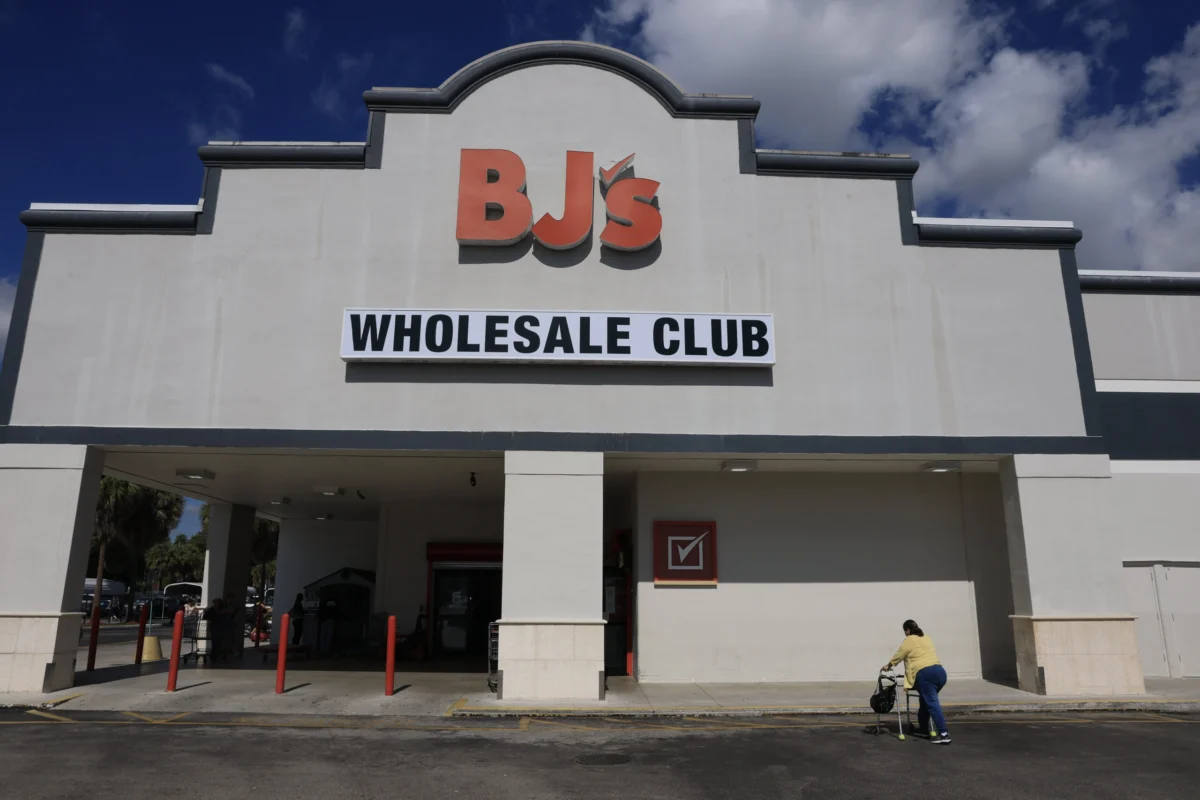
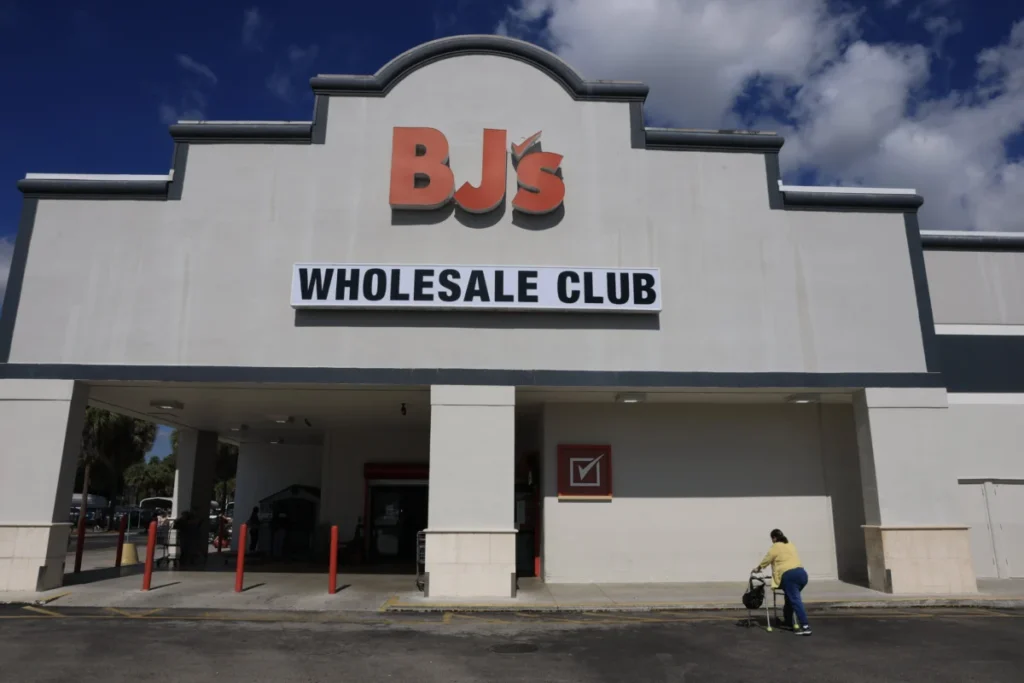
The trend spans discount chains, wholesale clubs, and premium athletic apparel brands alike. In March, Dollar General reported that it had trimmed 1,500 SKUs from its inventory. By August, Under Armour revealed that it had shrunk its total SKU count by 25% over the past few years, with plans to slash another 25% moving forward. Around the same time, BJ’s Wholesale Club announced a strategy to reduce roughly 20% of its SKUs. In September, high-end athletic apparel maker Lululemon joined the movement, stating it had cut North American SKUs by 15%.
Trimming inventory can serve as an effective mechanism to help a business stabilize its sales performance or even pivot back toward sustainable growth. It also significantly reduces the operational chances that a company will get stuck holding massive amounts of unwanted inventory that must ultimately be cleared out at steep discounts. However, this strategic shift carries inherent risks, most notably leaving consumers with considerably fewer choices on shelves and racks—a trade-off that a growing number of corporate executives have proven willing to make in exchange for financial stability.
Shrink to Grow
When a brand struggles to sell certain products organically, the inevitable result is widespread discounting, which severely hurts overall profitability. While some level of promotional markdowns is naturally expected when businesses take creative risks on brand-new products that ultimately fail to resonate with consumers, an excessive reliance on promotions can cause deep operational and financial problems.
"If you have zero discounting, you’re not taking enough fashion risk," said Guggenheim Securities senior retail analyst Simeon Siegel. "लेकिन discounting needs to be fixing mistakes. It needs to be done quickly."
Both Under Armour and Lululemon have found themselves facing severe repercussions from what investors view as an overreliance on markdowns and promotional activity over recent reporting periods. Under Armour’s operating income, which serves as a clear indicator of underlying business profitability, plunged into negative territory in fiscal 2025 and 2026. Company leadership emphasized that these deep-seated problems would not be solved by chasing unhealthy sales volume or prioritizing short-term revenue spikes.
"Today, we’re managing for quality. Fewer products with greater purpose, tighter execution and a clear reason to buy," said Under Armour CEO Kevin Plank during the company’s fiscal first-quarter earnings call in August. "We will sell so much more of so many less products at a much higher full retail price."
According to Siegel, when a major retailer formally acknowledges that it actively wants to shrink its overall revenue, the primary strategic goal is to regain lost pricing power in a competitive marketplace.
Lululemon offers another striking example of the friction between top-line growth and bottom-line health. The company successfully grew its total sales by more than $500 million from fiscal 2024 to 2025. Yet, during that exact same time frame, its operating profit fell by approximately $300 million. Amid these pressures, the company’s shares have dropped by roughly 65% over the past two years.
"Selling fewer options is not the same as selling fewer things," Siegel noted. "Lulu has a long way to go, and simply cutting SKUs, simply saying we need to have better product is not the answer."
Siegel cautioned that having too much inventory of even the highest-quality product can ultimately dilute the perceived value of a brand. He pointed out that Lululemon reported $6.3 billion in U.S. sales in fiscal 2025, noting that companies in this sector typically hit a healthy saturation level when domestic revenue hovers between $3 billion and $4 billion.

"It’s a level where they can be large and still cool. Above that, they start cheapening what they stand for, literally cheapening the product, but also cheapening the perception," Siegel explained.
He observed that athletic apparel giant Nike stands as a notable exception to this rule, having posted a staggering $20 billion in North American sales in fiscal 2026. Still, Nike has also faced significant headwinds, with its stock cratering around 45% this year. In response, the footwear and apparel giant announced it is actively "rebalancing" its portfolio, having intentionally reduced revenue from classic footwear franchises by more than $2 billion in fiscal 2026, according to disclosures made during its fourth-quarter earnings call in June.
Inventory Management
For small-box discount stores such as Dollar General and large-format big-box retailers like BJ’s Wholesale Club, cutting down on product assortment does not necessarily grant them the immediate ability to raise prices on consumers. Rather, for operations carrying thousands of disparate brands, removing certain underperforming products serves primarily to help management better control inventory flows and refine merchandising strategies to stabilize the broader business model.
"When you shrink a box … and say, I’m going to focus more on curation, you’re getting smaller, but you’re trying to reestablish why someone’s walking into your box in the first place. And so it does get better, but it doesn’t necessarily help your bottom line as much," Siegel observed.
BJ’s CEO Robert Eddy explained that reducing superfluous choices—such as cutting back on the overwhelming number of available scents for a single brand of body wash—naturally pushes customer sales into the remaining core products on the shelves. This cleanup then clears crucial physical space for entirely new product categories that were not previously offered to shoppers.
"That is sourcing sales growth as well and sort of giving us the formula where we can cut SKUs, and see sales go up, and see margin dollars go up," Eddy stated during the company’s fiscal 2026 second-quarter earnings call in August.
Similarly, in June 2025, Dollar General reported that eliminating 1,000 SKUs compared to the previous year successfully opened up valuable shelf space for its top-selling products, ultimately contributing positively to its top-line performance. By March 2026, the discount chain announced it had cut up to 1,500 SKUs, generating operational efficiencies that cascaded across the entire supply chain.
"Being more productive there means getting product to the shelf faster and being there for the consumer with the right amount of items and products that she’s looking for as quickly as we possibly can," Dollar General CEO Todd Vasos said during the company’s fiscal 2026 second-quarter earnings call in August. "As we go forward, the team is looking at continued SKU rationalization, albeit probably more surgical in nature."
Getting It Right
Executing a successful strategy to slash products from retail shelves remains exceptionally difficult in everyday practice. Big-box stores and discount chains alike run the distinct operational risk of alienating shoppers and losing customers directly to competitors that continue to stock the exact items they have chosen to scrap. BJ’s Wholesale Club openly acknowledged that a previous attempt to cut SKUs had failed to yield the desired outcomes before they refined their approach.
"We just cut SKUs which cut sales, and then we added some SKUs back and so really what we’re doing now is removing unnecessary choice," Eddy said during the August earnings call. "Think about in traditional soda, we don’t carry cans and one-liters and two-liters of the same product anymore."
Meanwhile, publicly traded brands that publicly acknowledge their sales need to contract in order for the underlying business to achieve healthy long-term growth still face intense scrutiny and demanding questions from investors focused on near-term performance metrics.
"It’s hard for a company ever to say we need to shrink anything, but it’s dramatically harder to say we need to shrink revenues," Siegel noted. "Frequently we find that brands hit a peak, a healthy peak, extend past the peak by forcing it and then find their way back down pretty harshly."