
ORANGE CITY, Iowa — A dynamic convergence of rising milk production, record milk component levels, rapidly expanding dairy processing capacity, and increasing export competitiveness is actively creating a fresh wave of opportunities for dairy producers across the Upper Midwest and throughout the wider agricultural economy.
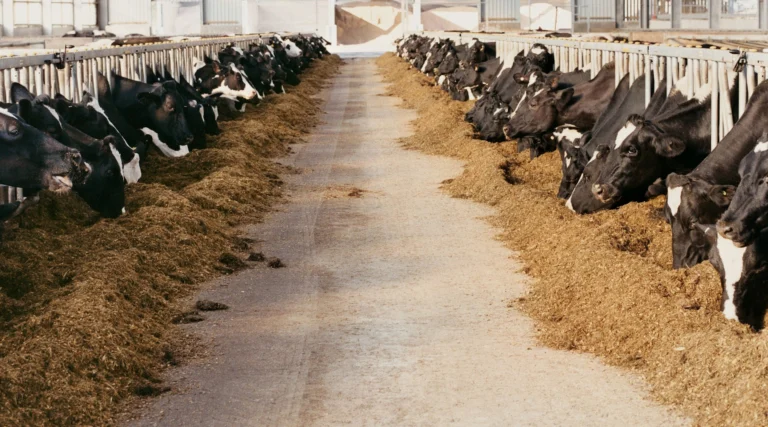
Recent data released by the United States Department of Agriculture underscores the robust nature of this growth, showing that national milk production reached an impressive 18.7 billion pounds across the 24 major dairy states during September 2026. This figure represents a notable 2.7 percent increase compared to the same period from the previous year. Industry analysts point out that this steady growth has been fueled by a combination of strategic dairy herd expansion and notable gains in individual cow productivity. Together, these factors indicate a deep, sustained confidence among producers in the long-term viability and strength of the nation’s dairy sector.
At the very same time, America’s dairy processing industry is aggressively investing more than $15 billion in entirely new and significantly expanded manufacturing capacity spanning across 23 states. According to industry tracking, more than 85 major dairy processing projects are currently planned or actively underway with a completion horizon stretching through 2030. This massive capital expenditure reflects a profound, long-term confidence in the enduring global and domestic consumer demand for high-quality dairy products.
For dedicated dairy producers operating in Iowa, Minnesota, Wisconsin, South Dakota, and their neighboring agricultural states, these sweeping industrial developments could soon translate into significant, localized marketing opportunities. These newly built and newly expanded processing facilities will inherently require a reliable, steady supply of raw milk. In particular, these plants are engineered to demand milk with higher concentrations of beneficial protein and butterfat, which serves as the foundational raw material needed to support the large-scale production of value-added dairy goods.
One of the most defining and economically significant trends currently shaping the dairy industry is the continuous, measurable improvement in basic milk components. Recent statistics highlight that U.S. butterfat levels have steadily climbed to a historic record of 4.32 percent, while protein levels have concurrently increased to an average of 3.34 percent. These higher component levels are becoming increasingly valuable to modern processors as they expand their production lines to accommodate more sophisticated offerings, including artisanal and commercial cheeses, specialized dairy ingredients, concentrated whey proteins, nutrient-dense yogurts, and a variety of other high-value items that consistently deliver greater manufacturing returns than traditional fluid milk alone.
Weighing in on these broader industry dynamics, International Dairy Foods Association President and CEO Michael Dykes notes that rising consumer demand for wholesome dairy protein, when paired with expanding international export opportunities, continues to provide vital support for capital investments throughout the entire length of the dairy supply chain. Projections indicate that U.S. dairy exports are on track to reach a landmark $10.5 billion this year alone, providing critical, additional market outlets for the nation’s steadily growing raw milk supplies.
A closer look at these processing investments reveals that they are strategically concentrated in product categories that are most relevant to the operational focus of Upper Midwest dairy producers. On a national scale, capital allocation shows more than $5.6 billion being funneled directly into fluid milk and cream processing facilities, another $3.8 billion dedicated specifically to advanced cheese manufacturing infrastructure, and upwards of $3 billion committed to the expansion of yogurt and cultured dairy product plants.
Simultaneously, the steady expansion of milk production has generated abundant, highly available supplies of both milkfat and dairy proteins domestically. On the global trade front, wholesale domestic cheddar cheese and butter prices have softened relative to competing products originating from traditional dairy powerhouses in Europe and Oceania. This pricing shift has successfully positioned U.S. dairy products as some of the most competitively priced offerings available in global markets. While it is true that lower wholesale commodity prices can introduce temporary pressure on farm-level milk prices in the short term, they simultaneously forge crucial opportunities for U.S. exporters to aggressively gain valuable market share in high-growth international regions, including Latin America, Southeast Asia, and the Middle East.
Market analysts closely observing the sector note that these growing domestic milk supplies, when coupled with favorable currency exchange rates and highly competitive commodity pricing, have actively encouraged international buyers to seriously consider U.S. cheese, butter, and specialized dairy ingredients as reliable, cost-effective alternatives to products sourced from more traditional exporting regions. This expanding export potential is widely expected to become increasingly vital as newly constructed processing plants come online and require robust, dependable international markets for their finished commercial outputs.
Despite these largely positive structural trends, various operational and economic challenges naturally remain for producers on the ground. Wholesale cheese and butter prices directly influence the complex pricing formulas established under Federal Milk Marketing Orders. Consequently, prolonged periods of lower commodity prices can translate directly into reduced milk checks received by dairy farmers at the end of the month. To navigate these financial realities, agricultural cooperatives and commercial processors continue to lean heavily upon comprehensive risk management tools and sophisticated market diversification strategies. Industry experts strongly recommend that individual producers adopt similar risk mitigation practices to help safeguard their operational returns against inevitable market volatility.
For individual dairy farming operations, future profitability may increasingly depend upon the ability to produce component-rich milk with maximum efficiency. Specialists with the Iowa State University Extension Dairy Team consistently emphasize the foundational importance of strict feed efficiency, high reproductive performance, proactive herd health management, and targeted genetic selection programs. Together, these management pillars work to maximize both total pounds of milk and absolute protein production per individual cow, optimizing the economic return on every acre and every animal.
Even when accounting for near-term pricing pressures and cyclical market adjustments, the long-term outlook for the regional dairy economy remains decidedly positive. The combination of rapidly expanding processing capacity, exceptionally strong export demand, continued genetic improvement in dairy cattle herds, and steadily growing consumer interest in high-protein, nutrient-dense foods continues to drive forward industry growth. As these brand-new processing facilities finally begin their commercial operations and existing regional plants finalize their expansions, dairy producers all across the Upper Midwest stand to benefit significantly from stronger local and regional milk demand, alongside valuable new marketing opportunities in the years ahead.
— Fred Hall, Dairy Field Specialist, Iowa State University Extension and Outreach