


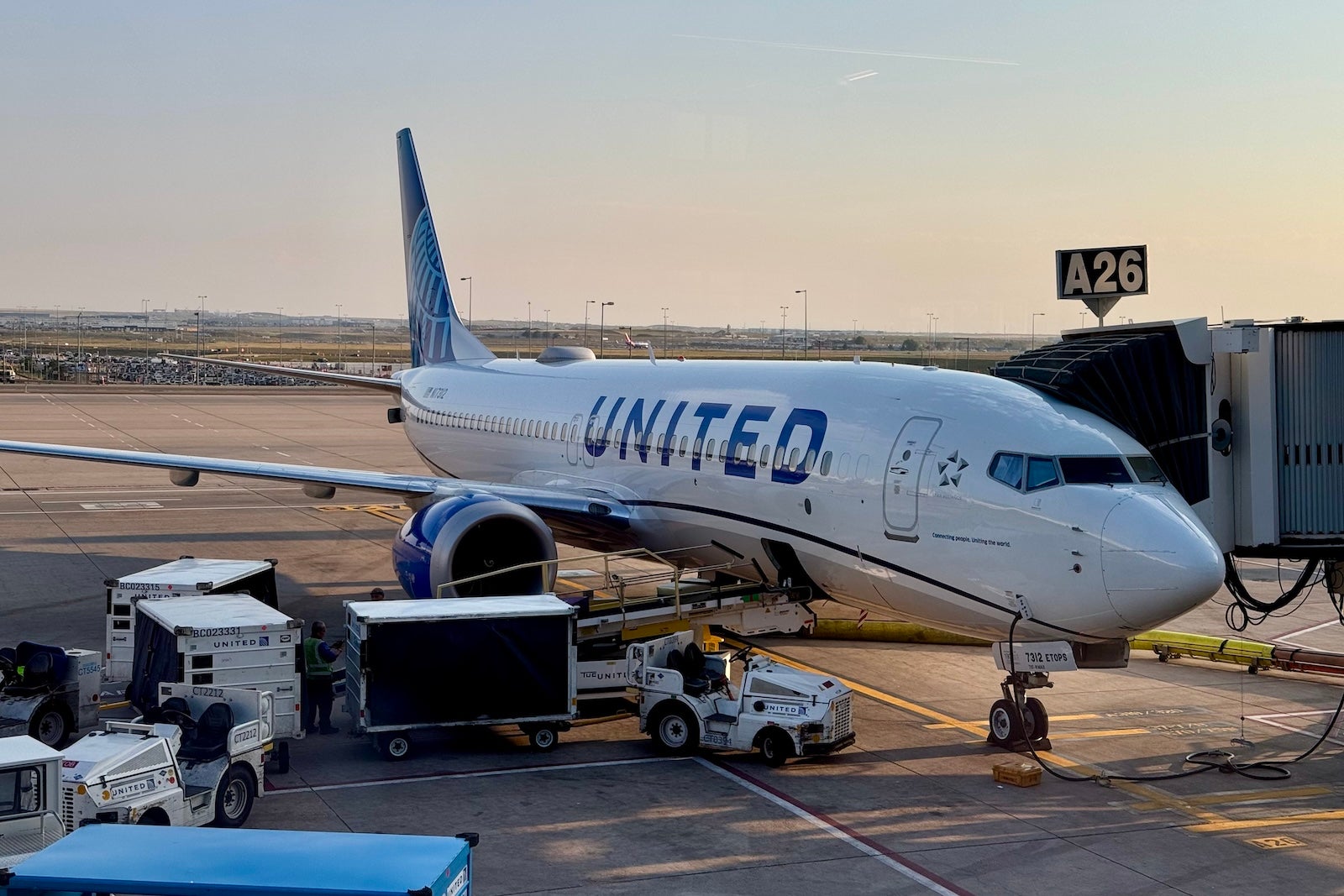
United Airlines continues to integrate modern narrowbody aircraft into its domestic and international short-haul networks, emphasizing fleet efficiency, passenger experience, and environmental performance through the ongoing deployment of aircraft such as the Boeing 737 MAX 8. As airlines navigate shifting consumer demands, rising operational costs, and the ongoing necessity to modernize commercial aviation fleets, the strategic utilization of next-generation twin-engine aircraft remains a central focus for major legacy carriers across the United States.
The ongoing presence and expansion of aircraft like the Boeing 737 MAX 8 within major carrier fleets underscore a broader industry-wide transition toward more fuel-efficient technology. For passengers and aviation enthusiasts alike, tracking the deployment, onboard amenities, and route structures of these aircraft provides valuable insight into the modern commercial flying experience. As airlines refine their scheduling, premium seating options, and onboard connectivity, the role of modern narrowbody workhorses becomes increasingly critical to maintaining competitive advantage in a complex market environment.
Fleet modernization initiatives typically involve careful coordination between airline leadership, aircraft manufacturers, and financial partners. The acquisition and integration of new aircraft types require substantial capital investment, long-term planning, and rigorous training for flight crews and maintenance personnel. Major network carriers regularly evaluate their capacity needs, route profitability, and customer feedback to optimize their operational footprints. Within this dynamic framework, aircraft configurations, cabin layouts, and service standards are continually assessed to ensure they meet the expectations of modern travelers.
The aviation landscape has experienced significant evolution in recent years, driven by post-pandemic travel rebounds, supply chain constraints, and an increased emphasis on sustainable aviation practices. Newer aircraft models are specifically designed to deliver lower fuel burn and reduced carbon emissions compared to the older generations of aircraft they replace. These environmental efficiencies not only align with corporate sustainability commitments but also provide crucial financial insulation against the volatility of global jet fuel prices. Consequently, airlines that successfully execute fleet renewal programs are better positioned to manage operational overhead while maintaining reliable schedules for millions of passengers.
At the same time, the passenger experience onboard modern narrowbody aircraft has seen noticeable enhancements. Travelers increasingly expect updated cabin interiors featuring larger overhead bin capacities, modern LED lighting, improved seat designs, and reliable in-flight entertainment and connectivity options. Carriers invest considerable resources into ensuring consistency across their fleets, allowing frequent flyers to experience similar levels of comfort and convenience regardless of whether they are flying on a regional hop or a longer domestic trunk route. These incremental improvements contribute significantly to brand loyalty and customer satisfaction metrics in an intensely competitive airline industry.
Financial considerations, including partnerships with credit card issuers and loyalty program monetization, also play a vital role in supporting the broader economic ecosystem of commercial aviation. Co-branded credit card programs and frequent flyer partnerships generate substantial ancillary revenue for airlines, enabling them to reinvest in fleet updates, passenger amenities, and technological infrastructure. These financial arrangements, while operating largely behind the scenes for the average traveler, form an integral part of the business model that sustains major network carriers through various economic cycles. Editorial transparency and clear disclosure policies regarding financial partnerships remain essential standards for industry reporting and consumer information.
As United Airlines and other major carriers look toward the future of commercial flight, the continuous evaluation of fleet composition, route networks, and customer service standards will remain paramount. The successful deployment of modern aircraft types depends on a delicate balance of operational excellence, strategic financial management, and a steadfast commitment to safety and reliability. Through ongoing updates and careful adaptation to industry trends, airlines strive to meet the evolving needs of the traveling public while navigating the complexities of the global aviation sector.