In its latest financial update, Southwest reported that it now expects to earn between $2.60 and $2.85 per share on an adjusted basis for the year. This marks a notable reduction from its previous forecast shared in July, which projected adjusted earnings ranging from $3.25 to as high as $4.25 per share.
Despite the headwinds posed by more expensive fuel, Southwest executives expressed confidence in the company’s financial trajectory. Looking toward the final stretch of the year, the carrier forecast per-share adjusted earnings of between 55 cents and 80 cents in the fourth quarter. It also anticipates that unit revenue, a key industry gauge measuring airfares, will climb by as much as 21% compared to the same period a year earlier. Furthermore, the airline outlined plans to grow its overall capacity by up to 4% year over year.
"Demand remained strong as we lapped last year’s bag fee and other commercial initiatives, reinforcing our belief that the earnings power we’ve built is durable, even with significantly higher fuel costs," said Southwest CEO Bob Jordan in an official earnings release.
The financial impact of the shifting market dynamics was clearly visible in the airline’s passenger metrics. Southwest reported that its average passenger fare reached $231.69 during the third quarter, representing an increase of nearly 27% compared with the same period in 2025. A company spokesman clarified that this average fare figure does not include various add-on fees. Meanwhile, the total number of revenue passengers carried by the airline dipped by 3.2%, totaling 33.47 million travelers as higher ticket prices rippled through the market.

Even with the slight reduction in passenger volume, Jordan pushed back against any narrative of a slowing consumer base. Speaking in an interview with CNBC’s Phil LeBeau, the Southwest chief executive noted that robust demand was evident across every geographic region and service product offered by the carrier.
"The consumer is incredibly strong and we do not see that abating," Jordan told CNBC. "We’re seeing strength in both the holiday period and the non-holiday period."
This steady consumer appetite comes at a critical juncture for Southwest as the airline navigates a massive multi-year transformation of its business operations. Under intense financial pressure to drive revenue growth and optimize operations, the airline has gradually phased out many of the customer-friendly policies that historically set it apart from legacy competitors. Longtime signatures of the brand, such as two free checked bags per passenger and open seating arrangements, have been systematically dismantled. In their place, Southwest has introduced fees for checked luggage and begun charging passengers for specific seat assignments, mirroring the commercial strategies long employed by major domestic rivals.
Financially, the third quarter yielded substantial improvements for the carrier on a year-over-year basis. Southwest posted a net income of $270 million, or 55 cents per share, marking a substantial increase from the $54 million, or 10 cents per share, recorded during the same period a year prior. Total operating revenue surged by more than 21%, reaching $8.42 billion. When adjusted for various one-time items, the airline reported earnings of 66 cents per share for the quarter.
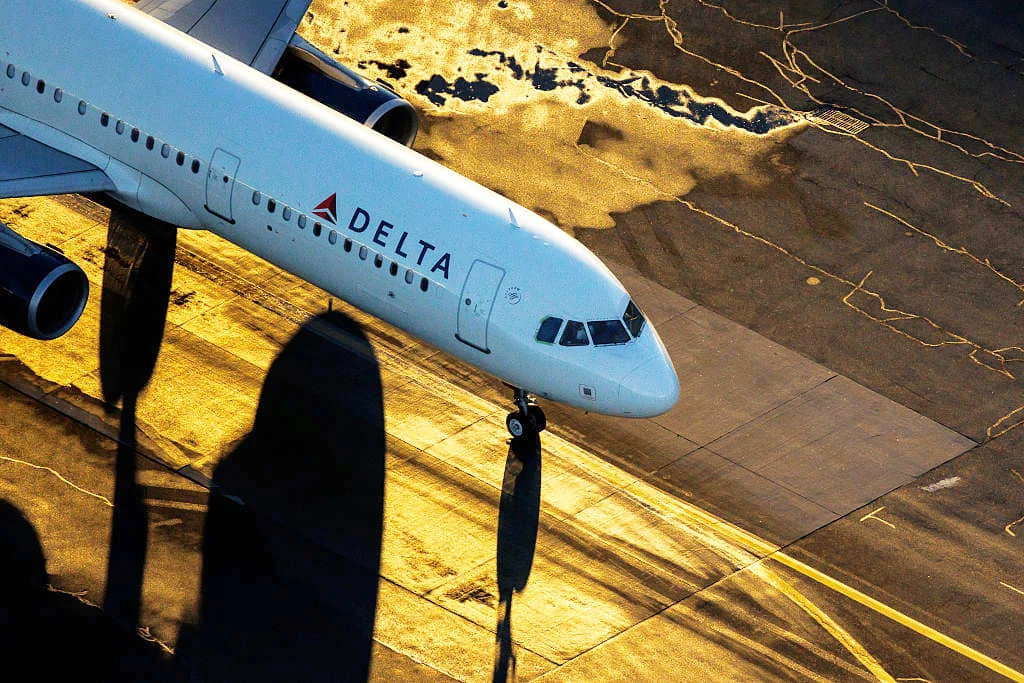
Southwest’s decision to lower its full-year earnings guidance mirrors broader struggles across the U.S. aviation sector. Earlier in the month, both Delta Air Lines and United Airlines similarly cut their profit outlooks for the remainder of the year as they released their respective third-quarter financial results. Both Delta and United also reported top- and bottom-line earnings misses for the third quarter, underscoring how industry-wide cost pressures, particularly surging fuel expenses, are weighing heavily on carriers despite robust top-line travel demand.