Emirates has made it clear that it has no intention of slowing down its expansive operations centered out of Dubai. Looking toward the future, the prominent Gulf carrier is actively eyeing potential new flight routes to several major American markets, including Denver International Airport (DEN), Detroit Metropolitan Airport (DTW), and Philadelphia International Airport (PHL).
These prospective destinations represent only a fraction of an expanding horizon for the airline. Speaking on the sidelines of the Routes World conference, Emirates President Tim Clark described the carrier’s potential list of new markets as one that "goes on and on."
"There aren’t many cities in the world that we will not be able to touch if we want to get there," Clark said during the interview, emphasizing the airline’s long-term global reach and strategic growth objectives.
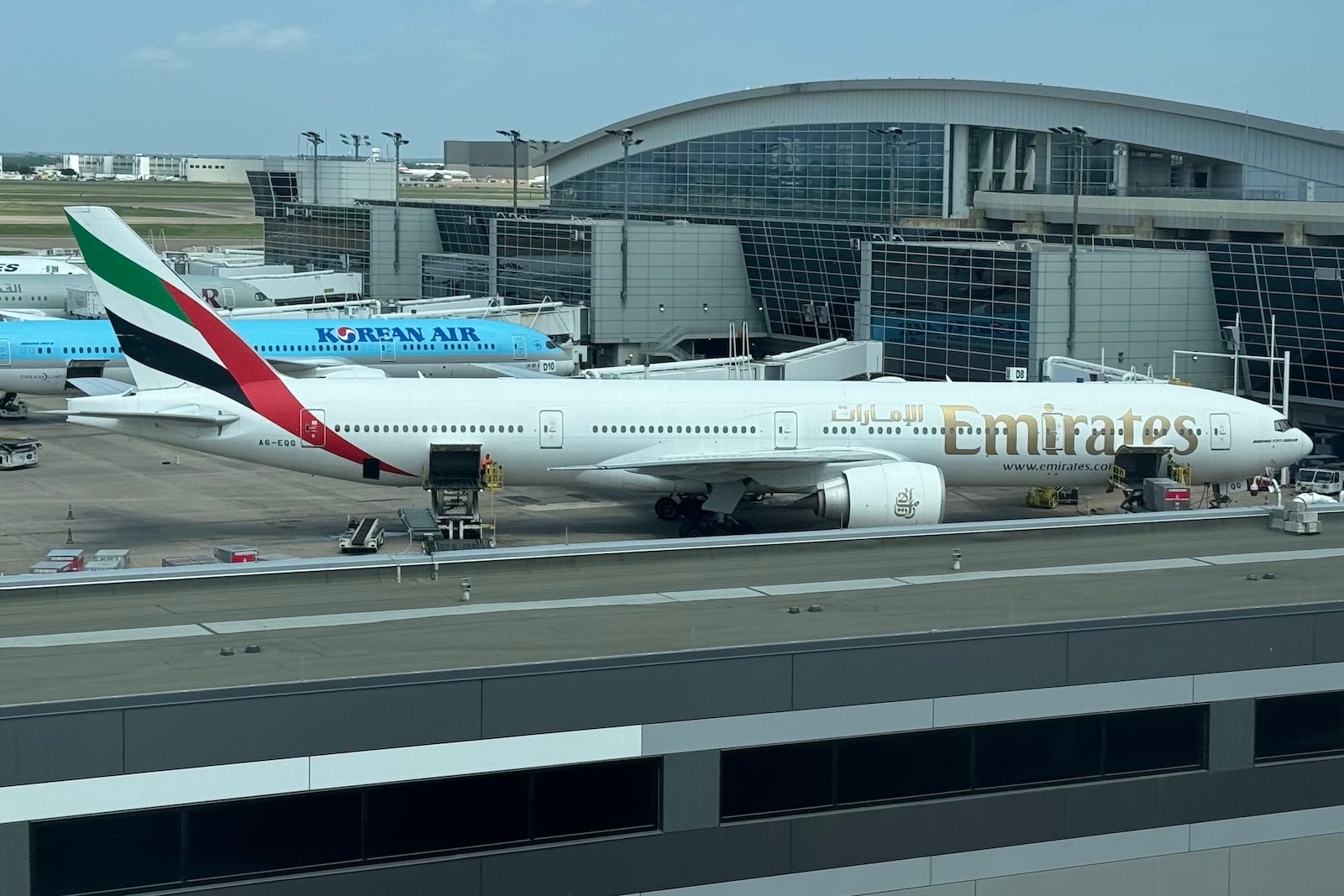
Despite its massive global footprint, the airline has been strategic about adding new U.S. gateways in recent years. Emirates last introduced a new U.S. destination back in 2021, when it launched service to Miami International Airport (MIA) to effectively replace its previous operations at nearby Fort Lauderdale-Hollywood International Airport (FLL), according to Cirium flight schedules. Prior to that, Newark Liberty International Airport (EWR) served as the airline’s last entirely new U.S. destination when service began in 2017.
777X and A350 Fleet Deliveries Expand U.S. Opportunities
The potential to serve a broader range of cities profitably from Dubai International Airport (DXB) will grow significantly in the coming years. This expansion is tied directly to the carrier’s incoming fleet of more efficient, next-generation aircraft designed to handle ultra-long-haul routes with improved economics.
Emirates’ extensive order book currently includes more than 300 aircraft from Airbus and Boeing, featuring the Airbus A350, the Boeing 787 Dreamliner, and the long-delayed Boeing 777X family. The airline also maintains the flexibility to convert some of its existing Boeing 777-9 orders into the smaller 777-8 variant or a potential larger 777-10 model depending on future market demands.
Clark noted that Emirates anticipates taking delivery of its very first Boeing 777-9 aircraft in 2027. These next-generation widebody jets are configured to seat between 300 and 400 passengers across a multi-class layout, a project that was originally slated to arrive back in 2020 before facing a series of significant aerospace industry delays.
While Clark declined to offer specific details regarding the interior configurations of the upcoming 777-9 fleet, he assured that the cabin experience would meet the carrier’s high standards of luxury.
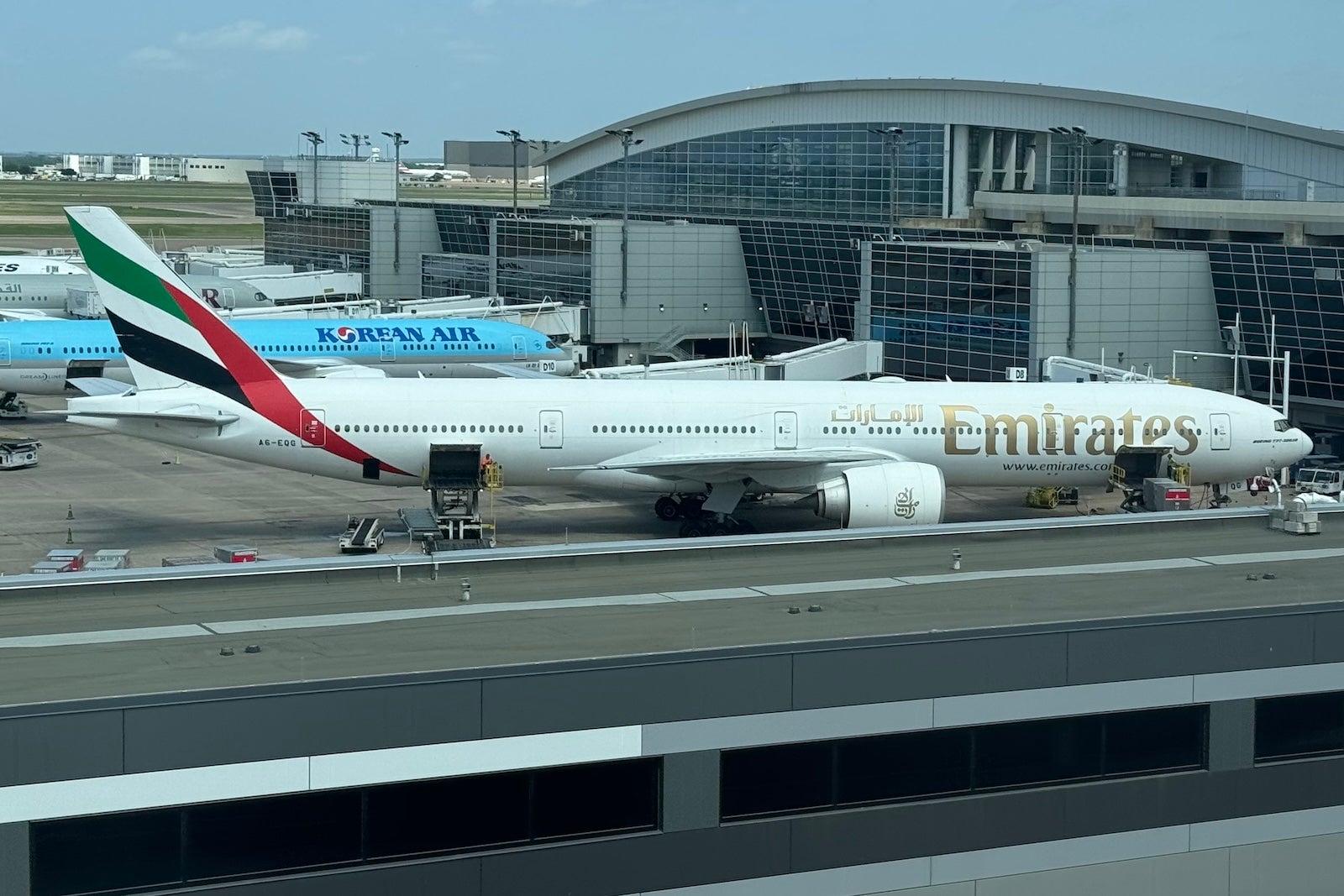
"Nobody is going to be disappointed regardless of the class of travel they travel in," Clark said, describing the upcoming cabins as "stylish, luxurious and cool."
Strong Global Demand Persists Amid Regional Conflicts
The carrier’s ambitious outlook remains entirely unshaken by external geopolitical headwinds. Even with ongoing regional conflicts involving Iran and the Houthi movement in Yemen, Emirates remains thoroughly committed to executing its broad expansion plans, according to Clark.
"The demand in the multiple segments that we have been in traditionally is still strong for us," Clark said, addressing the current operational environment and broader macroeconomic conditions.
As the dominant carrier operating out of Dubai International Airport, Emirates has found itself uniquely positioned to capture shifting traffic flows. The airline has benefited considerably from flight suspensions enacted by several Western carriers in response to regional tensions. This dominant hub position allows Emirates to efficiently funnel travelers from major European and North American origins onward to destinations across India, Southeast Asia, and Africa.

Demonstrating the resilience of this hub-and-spoke model, Clark pointed to continuous heavy demand on routes like those connecting Dubai to Bangkok, noting that flights to the popular Thai capital remain consistently full. Furthermore, Emirates continues to operate profitably despite the ongoing financial pressures imposed by elevated jet fuel prices across the global aviation sector.
According to market data published by the International Air Transport Association (IATA), the average global price of aviation turbine kerosene stood at $4.58 per gallon during the week ending October 16.
Navigating the United Airlines Partnership
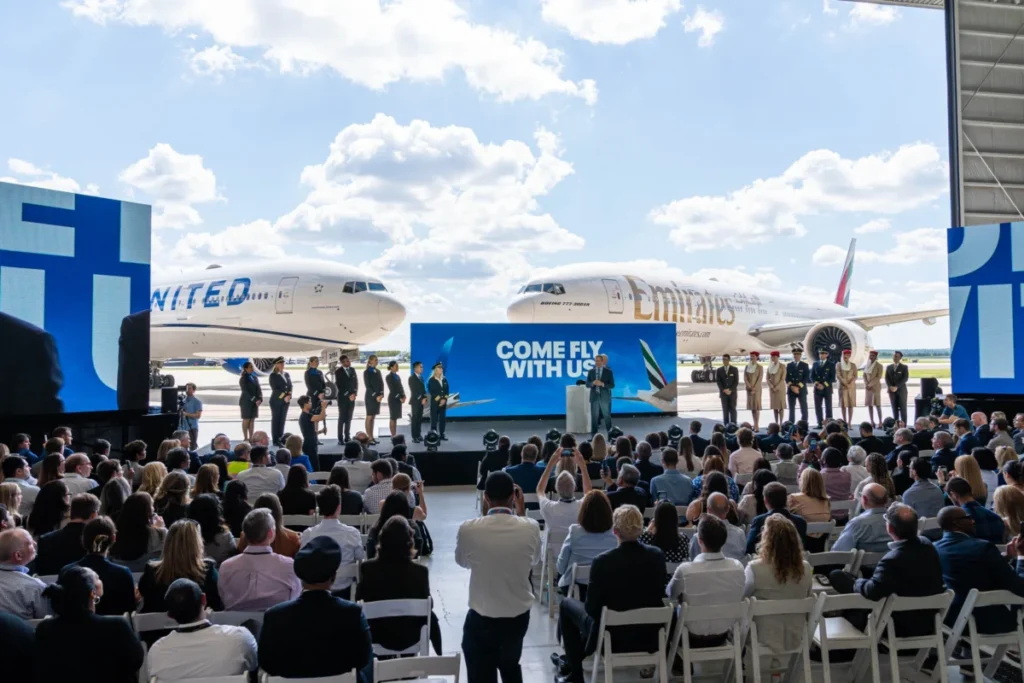
A critical component of Emirates’ broader North American strategy involves its ongoing collaboration with United Airlines. The two major carriers officially launched a comprehensive codeshare agreement alongside a loyalty program tie-up linking Emirates Skywards and United MileagePlus back in 2023.
As a direct result of this partnership, United previously inaugurated a new direct service connecting its Newark Liberty International Airport hub directly to Dubai. However, United temporarily suspended the route in February following coordinated U.S. and Israeli actions involving Iran.

While Clark did not explicitly reference United when discussing potential new U.S. destinations at the conference, aviation analysts note that Denver International Airport stands out as a particularly notable market. Specifically, DEN is currently the only domestic hub operated by United Airlines that is not already served by direct Emirates flights from Dubai, leaving ample room for future network alignment between the two partners.