
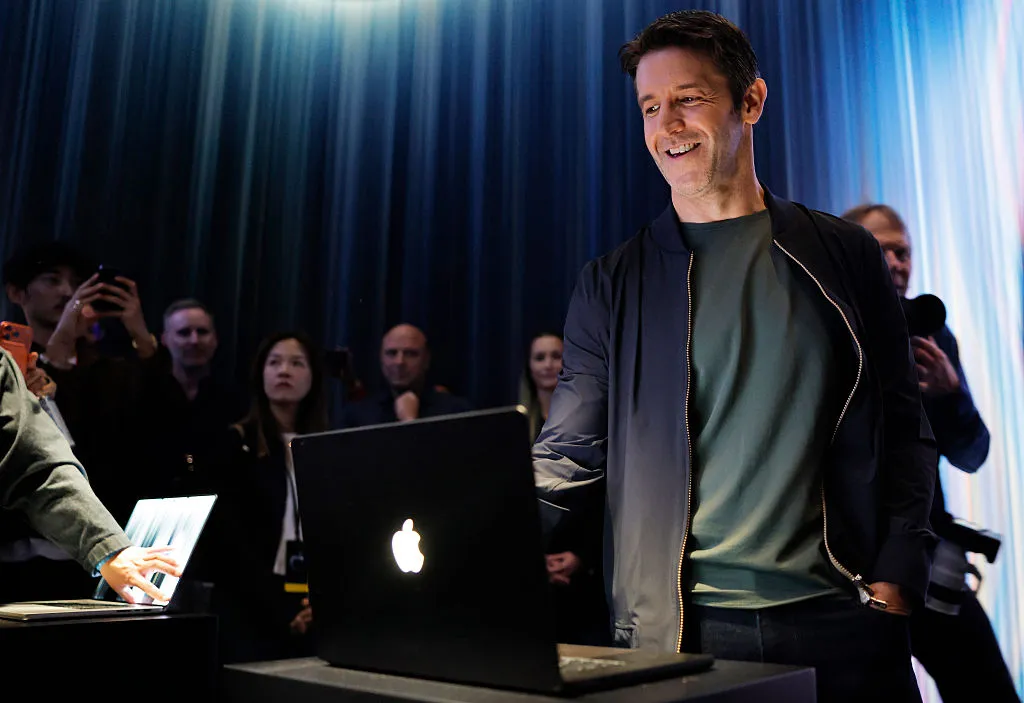
Apple Chief Executive Officer John Ternus is pushing back against persistent industry narratives suggesting the technology giant has fallen behind in the artificial intelligence race. In a wide-ranging and candid interview with Wired’s Steven Levy, Ternus addressed criticisms surrounding Apple’s deliberate pace in deploying advanced AI capabilities, offering a staunch defense of the company’s current positioning and long-term strategic vision.
The conversation comes at a pivotal transitional moment for both Apple and its leadership. Ternus, a longtime hardware engineering executive who officially stepped into the role of CEO at the beginning of September following a major executive shuffle, is steering the company through one of the most significant technological shifts in consumer electronics history. Over the past couple of years, critics and market analysts have frequently characterized Apple as a laggard in the generative AI boom. These perceptions were amplified by delays in rolling out a more powerful, context-aware version of Siri, a feature upgrade that consumers and industry watchers had anticipated for months before it finally launched this summer.
Despite the external pressure and the rapid pace set by competitors rushing to flood the market with novel AI features, Ternus remains remarkably unfazed. Acknowledging the widespread discourse surrounding the company’s timeline, Ternus remarked to Levy that while "everyone has an opinion," he remains steadfast in his assessment of the company’s standing, stating plainly, "I really like where we’re at."
Ternus elaborated on Apple’s foundational philosophy regarding emerging technologies, emphasizing that the company refuses to adopt a reactionary approach just to appease Wall Street or tech bloggers. He confirmed that Apple is "absolutely going to leverage AI" across its expansive ecosystem of hardware and software products, but drew a sharp distinction between meaningful integration and superficial gimmickry.
"We don’t want to ship AI for AI’s sake," Ternus told Wired. "When we’re doing it right, people won’t have to think about whether it was AI that made this happen or more traditional software. What matters is, did we build something that they really love?"

This philosophy reflects Apple’s historical playbook of letting early adopters test the waters while Cupertino refines user experiences for mainstream adoption. By focusing on seamless integration rather than standalone novelties, Apple aims to make artificial intelligence an invisible enabler of user intent rather than a standalone feature that demands user attention. The summer rollout of the upgraded Siri was a critical milestone in this strategy, attempting to weave sophisticated language models and personal context more deeply into the fabric of the iOS experience.
However, the interview also touched upon broader philosophical questions regarding the future of consumer technology. As artificial intelligence advances toward more autonomous systems, some industry futurists have begun predicting the eventual decline of traditional software paradigms. In a world where AI agents can anticipate needs, execute complex multi-step tasks across disparate services, and manage digital lives autonomously, the traditional app grid—the bedrock of the iPhone ecosystem since the App Store’s inception—could theoretically become obsolete.
When Levy pressed Ternus on whether autonomous AI agents might fundamentally disrupt Apple’s business model and ecosystem by rendering traditional apps unnecessary, the CEO offered a grounded, human-centric perspective on product creation.
"That could make life really easy, I suppose," Ternus replied, before pivoting to what he views as the enduring core of Apple’s corporate identity. "But the creation of products is a deeply human and personal thing, something that we love to do."
As Ternus settles into his new leadership role following his much-publicized transition memo in early September—in which he hinted at major upcoming product initiatives—his recent comments signal continuity with Apple’s long-standing ethos. Rather than yielding to the frantic momentum of the broader tech sector, Apple is signaling that it intends to dictate its own pace, prioritizing refined user experiences, privacy-focused architecture, and human-crafted design over hasty market penetration. Whether consumers and investors will remain patient as this strategy unfolds remains one of the defining questions of the current tech landscape.