DETROIT — General Motors, the long-standing titan of the American automotive industry, announced on Tuesday that it plans to transfer the listing of its common stock from the New York Stock Exchange (NYSE) to the Nasdaq. This transition, scheduled to take effect on November 17, represents a significant symbolic and strategic shift for the automaker, which is increasingly attempting to define itself not merely as a manufacturer of internal combustion engines, but as a sophisticated technology-focused enterprise.
The Detroit-based company confirmed that while its listing venue is changing, its ticker symbol, "GM," will remain unchanged. For the millions of investors who hold shares in the company, the transition is designed to be seamless; current shareholders are not required to take any action regarding the transfer of their holdings.
A Strategic Realignment Toward Technology
The decision to move to the Nasdaq is being framed by GM leadership as a logical step in the company’s evolution. Paul Jacobson, the Chief Financial Officer of General Motors, emphasized that the automaker’s current trajectory is rooted in a customer-centric, technology-driven strategy. By aligning with the Nasdaq—an exchange historically synonymous with innovation, software, and the broader technology sector—GM hopes to better signal its transformation to the global investment community.
"GM’s customer-focused, technology-driven strategy is creating value for our stockholders, making Nasdaq a natural home for our listing as we grow," Jacobson said in a prepared statement. "We’re grateful for our long-standing partnership with the New York Stock Exchange and its remarkable legacy."
The move is not just about perception; it carries tangible financial and structural implications. GM noted that the transition provides the company with eligibility for potential inclusion in the Nasdaq-100 Index. Inclusion in such a benchmark index can often lead to increased buying interest from passive investment funds and ETFs that track the performance of the Nasdaq’s most prominent, high-growth, and tech-heavy components.
The Changing Landscape of Exchange Listings
The departure of General Motors marks a notable loss for the New York Stock Exchange. The two institutions share a long history, with GM having first listed on the NYSE in 1911. Following the company’s government-backed bankruptcy and subsequent restructuring, GM relisted on the exchange in 2010, marking a new chapter in its corporate life. Its departure now serves as a reminder of the shifting priorities of legacy industrial companies.
GM is not acting in isolation. In recent years, a growing number of large-cap companies have opted to move their listings from the traditional NYSE to the Nasdaq. High-profile names such as Walmart, DoorDash, and Palantir Technologies have all made similar transitions. Most recently, Hilton Worldwide Holdings announced its own intention to move its trading from the NYSE to the Nasdaq, underscoring a trend where companies across diverse sectors are seeking the visibility and indexing benefits associated with the Nasdaq’s platform.

While the specific motivations for these transfers vary, the Nasdaq has positioned itself aggressively to court major industrial and service-sector firms. According to company literature released in 2024, the primary drivers for these transfers often include the prospect of index inclusion, access to a more cost-effective fee structure, enhanced brand visibility, and the utilization of Nasdaq’s specialized investor relations and environmental, social, and governance (ESG) tools.
The Broader Context of GM’s Innovation Roadmap
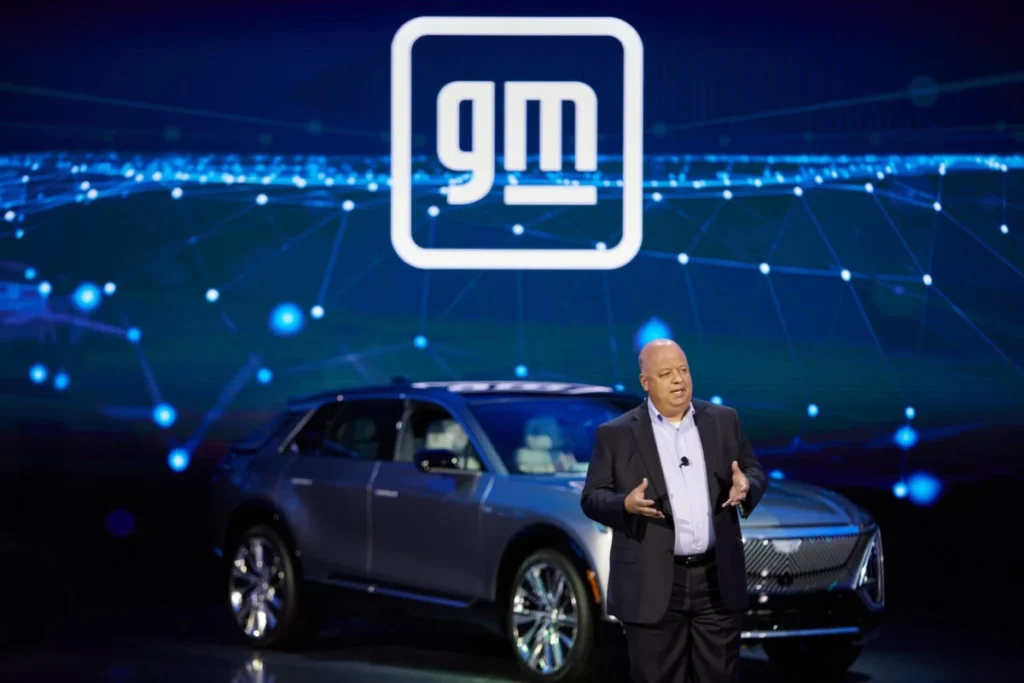
The timing of the announcement follows a high-profile technology event held by General Motors just one week prior. During that event, GM executives provided a detailed look at the company’s future roadmap, focusing heavily on the integration of artificial intelligence and the development of advanced self-driving vehicle technologies. By pulling back the curtain on its software-defined vehicle strategy, GM is clearly attempting to convince Wall Street that it deserves to be valued with the same premiums typically afforded to technology companies rather than traditional cyclical manufacturers.
This push for a valuation "re-rating" appears to be gaining some traction among market participants. Shares of General Motors have shown remarkable momentum, more than doubling in value since 2024. Investors have been bolstered by the company’s aggressive stock buyback program, which has helped to tighten supply and return capital to shareholders. On the day of the announcement, GM stock closed at $80.54 per share, representing a 5% gain for the day and valuing the company at a market capitalization of approximately $64.4 billion.
Looking Toward the Future
For General Motors, the move to the Nasdaq is both a symbolic bridge and a practical tool for its future growth. The company is currently navigating a complex transition period, balancing the high capital demands of transitioning its traditional automotive fleet to electric vehicles while simultaneously investing in the high-margin, high-tech world of AI and autonomous driving software.
As the company prepares to ring the opening bell at the Nasdaq on November 17, the move will be closely watched by analysts and competitors alike. While the daily operations in Detroit, the assembly lines, and the engineering labs will remain the same, the shift in trading venue serves as a clear declaration of intent: General Motors wants to be viewed as a modern technology company. Whether this change in venue will provide the sustained boost in valuation and investor sentiment that the company seeks remains to be seen, but the intent to shed the "legacy automaker" label is clearer than ever.
The transition marks the end of an era for GM on the NYSE, but the automaker remains focused on the future. As the company continues its efforts to refine its AI-powered software, scale its EV production, and maintain its commitment to returning value to its shareholders, the Nasdaq will now serve as the platform for the next chapter of its corporate story. Investors, meanwhile, appear to be responding with optimism to the company’s aggressive efforts to modernize its image and its business model, as evidenced by the recent strength of its share price and the broader confidence in its strategic direction.