
REYNOLDSBURG, Ohio — Ohio Governor Mike DeWine and Ohio Department of Agriculture Director Brian Baldridge have announced a major expansion of the state’s signature water quality initiative, committing $1.8 million in H2Ohio funding toward specialized conservation practices for pasture and hayland acres across nine eastern and southeastern counties.
The latest funding infusion represents a strategic broadening of the state’s collaborative approach to environmental stewardship, directly engaging livestock producers and local agricultural authorities in localized watershed protection efforts.
"H2Ohio projects are ongoing in all 88 counties across Ohio, and the funding we are announcing today is another way we are working with farmers and local soil and water districts to protect our waters," said Governor DeWine, highlighting the statewide scope and continuous momentum of the initiative.
Under the newly announced pilot program, nine soil and water conservation districts throughout eastern and southeastern Ohio have been selected to receive financial backing to lead targeted water-quality projects within their respective jurisdictions. These locally driven initiatives are specifically designed to address and reduce nutrient runoff originating from hayland and pasture fields, which play a distinct role in the regional agricultural landscape.
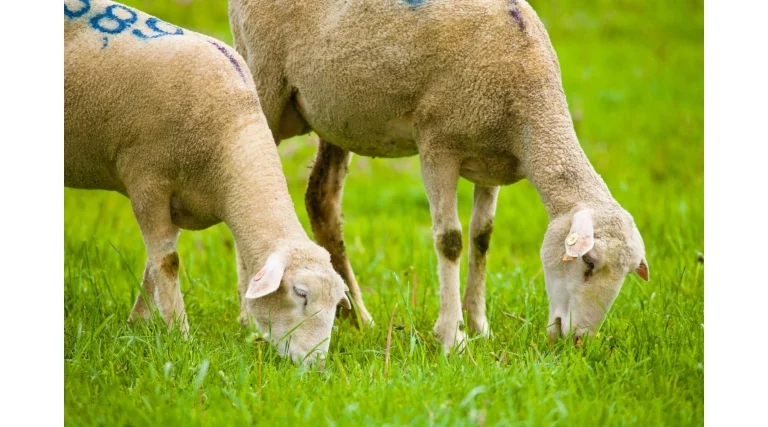
Agricultural experts note that proper management of hayland and pasture areas utilized for grazing livestock is essential for maintaining healthy vegetative soil cover and preventing the loss of vital nutrients and sediment into local streams, rivers, and broader waterways. Without adequate oversight, active grazing land can experience soil compaction and vegetative thinning, elevating the risk of runoff during heavy precipitation events.
To counteract these environmental pressures, the new funding mechanism will directly support a suite of proven conservation practices. These include the implementation of rotational grazing systems, targeted pasture seeding to reinforce root structures, comprehensive soil testing to optimize nutrient application, and the installation of livestock exclusion fencing to keep animals out of sensitive stream corridors. By adopting these methods, agricultural producers will be better equipped to manage their pastureland productively while simultaneously decreasing the environmental risks associated with agricultural runoff.
Director Baldridge emphasized the importance of tailoring conservation strategies to fit the diverse terrain and farming practices found throughout different regions of the state.
"We are working with local partners on effective ways to address nutrient runoff from farms of varying landscapes," said Director Baldridge. "In Ohio, we are fortunate to have great SWCDs and farmers that look for innovative ways to continue protecting water quality, and we’re excited to be partnering with them on this pilot program."
The selection process for the $1.8 million allocation involved a competitive proposal phase. Each of the participating soil and water conservation districts submitted comprehensive project proposals to the Ohio Department of Agriculture for rigorous evaluation. Following a thorough review, eight distinct projects encompassing nine counties were chosen to move forward.
Moving into the implementation phase, each selected district will spearhead its own localized project. While managing day-to-day operations on the ground, the local districts will work in close coordination with the Ohio Department of Agriculture’s dedicated team to ensure successful execution, continuous monitoring, and meticulous data collection. This cooperative framework is designed to measure the tangible environmental benefits of the adopted practices, providing valuable insights that can inform future conservation efforts across the state.
The announcement builds upon the broader foundation of H2Ohio, which was established by Governor Mike DeWine as a comprehensive, statewide water quality initiative intended to tackle complex environmental challenges impacting Ohio’s vital water resources. Launched in 2019, H2Ohio employs a science-based and data-driven approach aimed at combating harmful algal blooms, curbing environmental pollution, and safeguarding long-term access to clean, safe drinking water for all Ohio residents.
In its initial phases, the agricultural component of the H2Ohio program focused heavily on agricultural operations located in northwest Ohio, particularly within the watershed areas near Lake Erie, where nutrient loading has historically presented significant ecological concerns. Over the years, the initiative has successfully incentivized thousands of agricultural producers to voluntarily implement science-backed best management practices designed to retain nutrients on the landscape and enhance overall water quality.
By expanding specialized funding into the pasture and hayland sectors of eastern and southeastern Ohio, the state is demonstrating a continued commitment to addressing agricultural runoff across diverse geographic terrains and farming systems. Through ongoing partnerships between state agencies, local soil and water conservation districts, and dedicated agricultural producers, H2Ohio continues to evolve as a cornerstone of Ohio’s long-term environmental and economic vitality.