LINCOLN, Neb. — As the autumn air turns crisp across the Great Plains, monarch butterflies are once again embarking on one of the natural world’s most awe-inspiring phenomena: their multi-generational southward migration to the mountain forests of central Mexico. Among the millions of insects currently navigating the skies is a particularly well-traveled butterfly who has captured the attention of conservationists and scientists alike.
Dubbed "80FranksMeadow" by the wildlife professionals who encountered her, this specific monarch has already logged an extraordinary journey. Since being tagged by staff from the Nebraska Game and Parks Commission in early September, she has traversed hundreds of miles and recently made her presence known in Sacramento, Mexico. Despite the immense distance she has already covered across North America, her journey is not yet complete. Wildlife biologists monitoring her progress note that 80FranksMeadow still has approximately 640 miles left to travel before she finally reaches her ultimate overwintering sanctuaries nestled high in the oyamel fir forests of central Mexico.
The butterfly is far from alone in her scientific significance. 80FranksMeadow is one of 95 monarchs that dedicated Nebraska conservation partners successfully tagged across the state throughout the 2026 season. Nationally, she joins a select group of 1,875 monarchs that have been tagged across North America this year, marking the second operational year of an innovative scientific initiative known as Project Monarch.
Project Monarch was designed to address long-standing gaps in scientific knowledge regarding the intricate details of monarch migration. While biologists have long understood the general trajectory of the migration, the project aims to paint a much clearer picture of precisely where these fragile insects travel, where they stop to rest, and how they utilize specific habitats during their arduous annual journey across the continent.
The collaborative effort behind the tagging in Nebraska brought together experts from multiple organizations, including the Monarch Joint Venture, the Nebraska Game and Parks Commission, and the Omaha Henry Doorly Zoo and Aquarium. From late August through September, field staff actively captured monarchs in six distinct Nebraska communities: Omaha, Ponca, Bassett, Alda, Crawford, and Kimball.
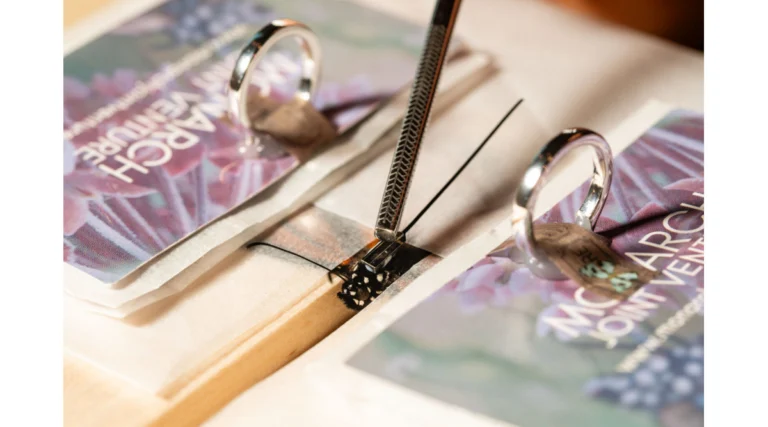
Once captured safely, each butterfly was fitted with a piece of cutting-edge technology before being released back into the wild to resume its southward flight. Using nontoxic eyelash glue, researchers carefully attached a remarkably light, 0.002-ounce Bluetooth-enabled tag to every individual insect. In a nod to both science and the people supporting the initiative, the team also assigned personal names to the butterflies. 80FranksMeadow was named in honor of the specific rural location where she was captured and tagged. Other monarchs received names chosen by the biologists, such as "Brooke," named after a biologist’s daughter, and "Tim," named in honor of the Nebraska Game and Parks director.
The technology behind these tags represents a massive leap forward for lepidopterology. Prior to the launch of Project Monarch, traditional battery-powered tracking devices were simply too heavy for a monarch butterfly to carry without severely hindering its ability to fly. The new tags overcome this hurdle by utilizing advanced solar technology, which drastically reduces the physical weight of the device to a level that the insects can easily manage.
The tracking mechanism itself relies on everyday modern technology to bridge the gap between the wild butterfly and the researcher. As the tagged monarchs fly southward, cellular devices passing within range automatically detect the Bluetooth signals emitted by the tags. A free, publicly available application known as the Project Monarch app then aggregates these pings, displaying each detection in real time and allowing scientists and enthusiasts to follow the progress of individual travelers.
Mercy Manzanares, a pollinator ecologist with the Monarch Joint Venture, emphasized the monumental nature of this technological advancement for the scientific community. She noted that the new tracking capability represents an incredible scientific breakthrough that monarch researchers have dreamed about ever since they first realized that simple sticker tags could be used to study migration patterns. According to Manzanares, researchers are finally able to pull back the curtain on what actually transpires during the migration, moving beyond merely observing two isolated points on a journey that takes several months to complete.
The data streaming in from the field has already revealed a fascinating spectrum of travel behaviors among the Nebraska-tagged cohort. While butterflies like 80FranksMeadow make steady, measurable progress, the results vary widely. Several other monarchs tagged in Nebraska have already traveled more than 840 miles, pushing relentlessly toward the United States-Mexico border. In contrast, other individuals have gone completely silent, failing to register a single cellphone detection in more than a month, leaving their exact whereabouts a mystery.
Every single detection that is successfully logged adds invaluable data to the collective pool of knowledge that biologists rely on to understand monarch migration dynamics. This information is more critical than ever, as monarch populations continue to face sustained declines across their historical range. Because of these ongoing population pressures, the species remains a formal candidate for potential listing under the federal Endangered Species Act.
Brett Andersen, the wildlife diversity program manager for the Nebraska Game and Parks Commission, highlighted the broader value of the tracking initiative. He explained that the project provides a tremendous opportunity to document the exact routes these monarchs take and to develop a much deeper understanding of the specific locations and habitats they rely upon along the way. Furthermore, Andersen noted that the project serves an important educational and engagement role, giving everyday citizens a unique chance to follow an individual monarch and visually grasp how Nebraska serves as a vital ecological bridge connecting to the larger North American monarch migration.
Building on the momentum of the current season, Nebraska conservation partners are already looking ahead to the future. Plans are already in motion to continue deploying the solar-powered tags next year, with a specific strategic focus on capturing and tagging monarchs in central and western Nebraska—geographic regions that have historically been much less studied than the eastern corridors of the state.
The success of the Nebraska tagging operations has been made possible through collaborative funding and public support. The Omaha Zoological Society generously provided the necessary funding to purchase the specialized Nebraska tags, while a dedicated grant from the Nebraska Environmental Trust covered the essential field supplies required for the project.
Beyond institutional support, members of the general public also have the opportunity to actively contribute to the ongoing conservation efforts. Individuals interested in supporting the initiative can do so by making a financial contribution to the Nebraska Wildlife Conservation Fund. Supporters can visit the official OutdoorNebraska.gov website and search for the Wildlife Conservation Fund to find out how to give back and help protect the state’s diverse wildlife populations.